March 12, 2025
Advances in Minimally Invasive Surgery: What Patients Should Know
Minimally invasive surgical techniques have revolutionized patient care over the past two decades, offering shorter recovery times and reduced post-operative complications. These procedures use small incisions, specialized instruments, and advanced imaging technology to perform complex operations with precision. Patients benefit from less scarring, reduced pain, and faster return to daily activities compared to traditional open surgery.
Laparoscopic and robotic-assisted surgeries are now standard options for many procedures, from gallbladder removal to complex cancer resections. The enhanced visualization and dexterity provided by modern surgical systems allow surgeons to navigate delicate anatomical structures with unprecedented accuracy. Studies consistently demonstrate that patients undergoing minimally invasive procedures experience fewer infections and shorter hospital stays.
As technology continues to evolve, the scope of what can be accomplished through small incisions expands dramatically. Surgeons now routinely perform procedures once thought impossible without large open incisions, including intricate cardiovascular repairs and organ transplants. For patients considering surgery, understanding these options and discussing them with your surgical team can lead to better outcomes and improved quality of life during recovery.
Read more

February 28, 2025
Preparing for Surgery: A Comprehensive Patient Guide
Proper preparation before surgery is essential for optimal outcomes and smooth recovery. Understanding what to expect and how to prepare physically and mentally can significantly reduce anxiety and complications. From pre-operative testing to medication adjustments, each step in the preparation process serves a specific purpose in ensuring your safety during the procedure.
Your surgical team will provide detailed instructions about fasting requirements, which medications to continue or stop, and what to bring on the day of surgery. It's crucial to disclose all medications, supplements, and herbal remedies you're taking, as some can interfere with anesthesia or increase bleeding risk. Arranging transportation and post-operative care at home should be completed well in advance, as you won't be able to drive yourself after anesthesia.
Mental preparation is equally important as physical readiness. Many patients find it helpful to ask questions during pre-operative consultations, understand the recovery timeline, and set realistic expectations. Maintaining good nutrition, staying hydrated, and getting adequate rest in the days leading up to surgery can strengthen your body's ability to heal. Remember, your surgical team is your partner in this journey, and open communication ensures the best possible experience.
Read more
February 15, 2025
Understanding Surgical Safety Protocols and Patient Outcomes
Patient safety is the cornerstone of modern surgical practice, with comprehensive protocols designed to minimize risks at every stage of care. From the moment you enter the surgical facility to your final follow-up appointment, multiple safety checks and quality measures work together to protect you. These include surgical site verification, time-out procedures, sterile technique maintenance, and continuous monitoring of vital signs throughout the operation.
Advanced surgical centers employ standardized checklists inspired by aviation safety protocols, ensuring that every critical step is completed before, during, and after surgery. Team communication, proper equipment sterilization, and infection prevention measures are meticulously documented and reviewed. Studies show that institutions with robust safety cultures experience significantly lower complication rates and better patient satisfaction scores.
Transparency in reporting outcomes has become a hallmark of quality surgical care. Patients now have access to information about surgeon experience, complication rates, and facility accreditations. This data empowers you to make informed decisions about where and with whom to have your procedure. As a patient, you play an active role in safety by asking questions, following pre- and post-operative instructions, and promptly reporting any concerns to your care team.
Read more

January 30, 2025
Post-Operative Recovery: What to Expect and How to Heal Faster
The recovery period following surgery is a critical phase where your body heals and regains strength. Understanding the normal healing process and recognizing warning signs can help you navigate this period with confidence. Most patients experience some degree of pain, swelling, and fatigue immediately after surgery, but these symptoms should gradually improve with proper care and rest.
Following your surgeon's post-operative instructions precisely is essential for preventing complications and achieving the best possible outcome. This includes wound care, medication management, activity restrictions, and scheduled follow-up appointments. Early mobilization, when appropriate, can reduce the risk of blood clots and pneumonia while promoting circulation and healing. However, it's equally important to avoid overexertion and allow your body adequate time to recover.
Nutrition plays a vital role in surgical recovery, as your body requires additional protein and calories to repair tissue and fight infection. Staying hydrated, eating balanced meals, and taking prescribed supplements support the healing process. Physical therapy or rehabilitation may be recommended for certain procedures to restore function and strength. Remember that recovery timelines vary by procedure and individual, so patience and communication with your surgical team are key to a successful outcome.
Read more

January 18, 2025
When to Consider Second Opinions in Surgical Decision-Making
Seeking a second opinion before major surgery is a prudent step that can provide peace of mind and ensure you're making the best decision for your health. Many insurance plans actually encourage or even require second opinions for certain procedures, recognizing their value in confirming diagnoses and treatment plans. There's no reason to feel uncomfortable requesting additional perspectives; experienced surgeons understand and support this practice.
A second opinion is particularly valuable when facing complex procedures, rare conditions, or situations where multiple treatment options exist. Different surgeons may have varying levels of experience with specific techniques or access to alternative approaches you haven't considered. This consultation can confirm the recommended treatment, reveal additional options, or provide reassurance that you're on the right path.
When seeking a second opinion, bring all relevant medical records, imaging studies, and test results to the consultation. Prepare a list of questions about the diagnosis, proposed procedure, alternatives, risks, and expected outcomes. Choose a surgeon with expertise in your specific condition, preferably from a different medical group or institution to ensure an independent evaluation. Remember, the goal isn't to find someone who tells you what you want to hear, but rather to gather comprehensive information that empowers you to make the most informed decision about your care.
Read more
December 20, 2024
The Role of Technology in Modern Surgical Precision
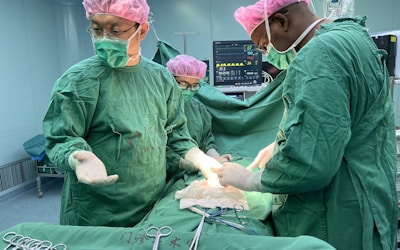
Technological innovation has transformed surgical practice, enabling procedures that were once impossible and improving outcomes across all specialties. Robotic surgical systems provide surgeons with enhanced visualization through high-definition 3D cameras and instruments that can rotate and bend beyond the capabilities of the human wrist. These advances translate to greater precision, especially in confined spaces where traditional instruments have limitations.
Image-guided surgery uses real-time CT, MRI, or ultrasound imaging to navigate complex anatomy during procedures, reducing the risk of damage to critical structures. Augmented reality systems overlay digital information onto the surgical field, helping surgeons identify blood vessels, nerves, and tumors with unprecedented accuracy. These technologies are particularly valuable in neurosurgery, orthopedics, and oncologic procedures where millimeter precision can make the difference between success and complications.
Despite these remarkable tools, technology serves to enhance—not replace—surgical skill and judgment. The most successful outcomes result from the combination of advanced technology and experienced surgical expertise. As these systems become more sophisticated and accessible, patients benefit from safer procedures, reduced complications, and faster recovery times. When considering surgery, ask your surgeon about the technologies available and how they might benefit your specific procedure.
Read more